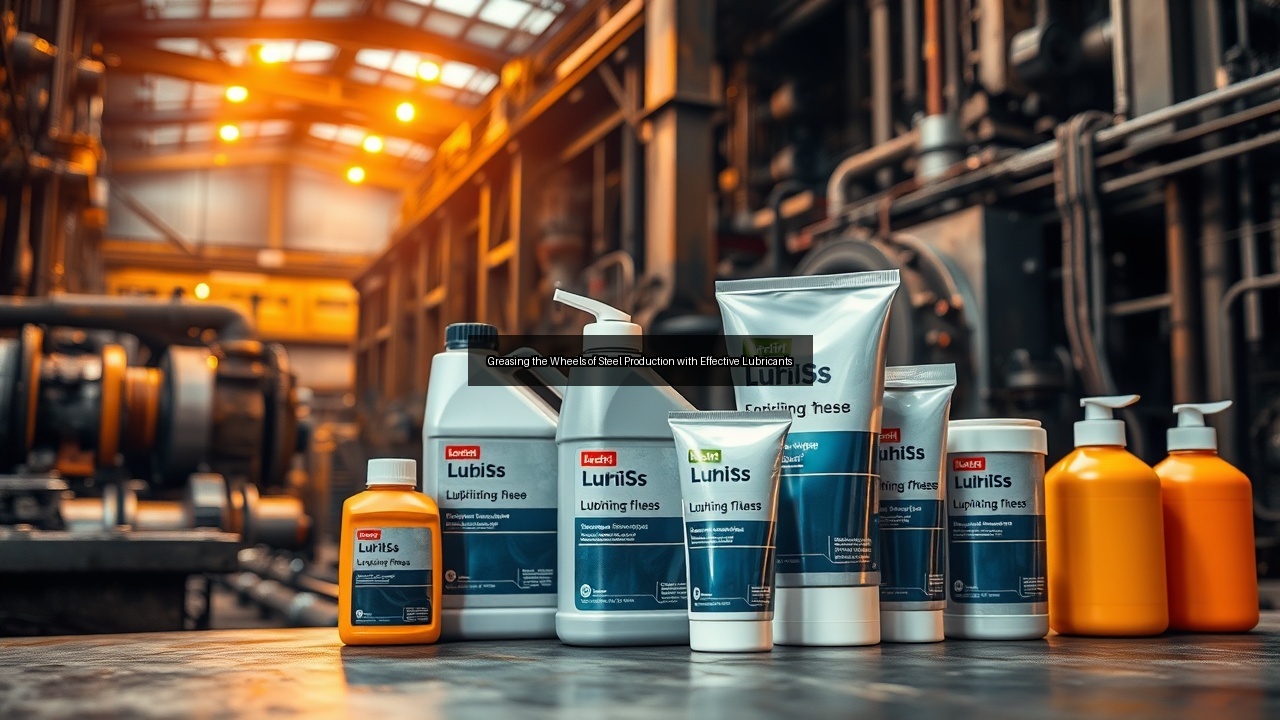
Greasing the Wheels of Steel Production with Effective Lubricants
The Role of Lubricants in Steel Production
Importance of Lubrication in Steel Mills
Lubrication plays a critical role in steel production, significantly impacting the efficiency and longevity of machinery in steel mills. Steelworks demand high levels of precision and reliability in their operations, making effective lubrication essential. The extreme conditions present in steel plants, including high temperatures and heavy loads, put immense stress on machinery components. Without proper lubrication, friction increases, leading to wear and tear that can result in costly downtime and reduced productivity. Proper lubrication not only minimizes friction but also helps dissipate heat, prolongs the life of equipment, and maintains optimal operational performance. A well-lubricated steel mill operates more smoothly, allowing for higher production rates and lower operational costs.
Types of Lubricants Used in Steelworks
Steel mills utilize various types of lubricants tailored to specific processes and machinery. These include oils, greases, and metalworking fluids, each serving unique functions. Oils are often employed in applications requiring fluidity and excellent heat dissipation, while lubricating greases provide enhanced adhesion and support for components exposed to high pressure and load. Metalworking fluids play a crucial role during machining processes, such as tube bending and cutting, by cooling and lubricating the cutting tools and workpieces. Understanding the right type of lubricant for each application ensures optimal performance in steel production processes, contributing to the overall efficiency of steel mills.
Impact of Lubricants on Productivity and Cost Reduction
Effective lubrication directly correlates with increased productivity and cost reduction in steel manufacturing. High-quality steel mill lubricants reduce friction and wear, allowing machinery to operate at higher speeds and with greater reliability. This efficiency translates into less downtime for maintenance and repairs, ultimately lowering operational costs. Additionally, using the correct lubricant can enhance the performance of processes like continuous casting and hot rolling, resulting in better quality steel products. By investing in superior lubricating solutions, steel plants can achieve significant savings and improve their bottom line while maintaining high production standards.
Key Lubricants in the Steel Industry
Greases vs. Oils: Which is Best for Steel Plants?
The choice between greases and oils in steel plants depends largely on the specific application and machinery involved. Greases, which consist of a thickening agent and a base oil, provide superior adhesion and stay in place, making them ideal for bearings and other components that endure high loads. They offer excellent protection against water contamination and can withstand extreme conditions typical in steelworks. Oils, on the other hand, flow easily and are suited for applications requiring rapid heat transfer and easy lubrication of moving parts. While both greases and oils have their advantages, their effectiveness hinges on proper selection based on the operational demands of steel mills. Ultimately, understanding the unique requirements of each application ensures optimal performance and longevity of equipment.
Metalworking Fluids and Their Applications in Steel Mill Processes
Metalworking fluids play an essential role in various processes within steel mills, particularly in machining operations. These fluids serve multiple purposes, including cooling, lubricating, and cleaning during operations such as cutting and tube bending. Effective metalworking fluids reduce the temperature generated during machining, preventing damage to both the workpiece and the cutting tool. They also help to remove chips and debris, ensuring a clean working environment, which is critical for maintaining precision in steel production. Selecting the right metalworking fluid can enhance machining performance, improve surface finish quality, and extend the life of both tools and components used in the steel manufacturing process.
Gear Lubricants: Ensuring Smooth Operation in Rolling Mills
In rolling mills, gear lubricants are crucial for maintaining smooth operations and maximizing equipment efficiency. These lubricants reduce friction between gears, preventing wear and ensuring reliable transmission of power. Given the heavy loads and high speeds encountered in rolling processes, using high-quality gear lube becomes indispensable. Gear lubricants also help dissipate heat, which can build up due to friction, further protecting the gear systems from premature failure. Regular monitoring and maintenance of gear lubrication in rolling mills ensure that operations run seamlessly, contributing to the overall productivity and cost-effectiveness of steel production.
Challenges and Solutions in Steel Mill Lubrication
Bearing Lubrication Best Practices
Effective bearing lubrication is vital for the smooth operation of machinery in steel mills. Bearings often endure extreme conditions, including high loads and variable speeds, making them susceptible to wear and failure. Implementing best practices for bearing lubrication can significantly enhance performance and longevity. Regularly scheduled maintenance, proper selection of lubricants, and monitoring of lubrication conditions are essential. Moreover, contamination from dust and water can compromise lubricant effectiveness, so using sealed or shielded bearings can mitigate these risks. Training personnel in proper lubrication techniques and maintenance schedules further ensures that bearings operate at peak efficiency, reducing the risk of unexpected failures in steel manufacturing.
Addressing Water Contamination in Lubricants
Water contamination poses a significant challenge in steel mill lubrication, leading to reduced lubricant effectiveness and increased wear on machinery. Steel production environments often have high humidity levels and water exposure, making it crucial to implement strategies to prevent water from entering lubrication systems. Using water-resistant lubricants, incorporating filtration systems, and maintaining proper seals on equipment can help mitigate the risks associated with water contamination. Regular monitoring of lubricant condition and implementing a proactive maintenance program will help detect issues early, ensuring that steel plants maintain optimal lubrication performance and avoid costly downtime.
Innovations in Steel Mill Lubrication Technologies
The steel industry continually embraces innovations in lubrication technologies to enhance efficiency and performance. Advances in lubricant formulations, such as the development of synthetic oils and eco-friendly lubricants, play a crucial role in addressing environmental concerns while providing superior lubrication. Furthermore, the integration of smart lubrication systems allows for real-time monitoring and management of lubrication conditions, enabling steel mills to optimize their operations. These systems can provide data on lubricant levels, quality, and operating conditions, allowing for timely interventions and minimizing the risk of equipment failure. By adopting these innovations, steelworks can improve their lubrication practices, leading to increased productivity and reduced operational costs.
Future Trends in Steel Mill Lubrication
Sustainability and Eco-friendly Lubricants
Sustainability has become a key focus in the steel industry, and the adoption of eco-friendly lubricants aligns with this trend. Manufacturers are increasingly developing lubricants derived from renewable resources, which reduce environmental impact and promote sustainability. These biodegradable lubricants not only minimize harm to the environment but also meet regulatory requirements for eco-conscious operations. Implementing sustainable lubrication practices enhances the steelworks' reputation and contributes to overall corporate responsibility. As the steel industry moves forward, the demand for eco-friendly lubricants will continue to grow, influencing product formulations and operational strategies.
The Role of Smart Lubrication Systems in Mini Mills
Mini mills represent a growing segment of the steel industry, focusing on efficient and optimized production methods. Smart lubrication systems play a vital role in enhancing the operational efficiency of these facilities. By employing sensors and data analytics, these systems can monitor lubricant conditions and consumption in real time. This capability allows for precise lubrication management, reducing waste and ensuring that machinery receives the appropriate amount of lubricant at all times. The integration of smart technology not only streamlines operations but also aligns with the trend towards automation in steel manufacturing, paving the way for increased productivity and reduced costs in mini mills.
Adapting Lubrication Strategies for Continuous Casting and Hot Rolling
Continuous casting and hot rolling represent critical processes within steel production, each requiring tailored lubrication strategies. In continuous casting, lubricants must withstand high temperatures and provide effective cooling and lubrication to prevent defects in the cast product. Similarly, hot rolling processes demand lubricants that can handle elevated temperatures and high shear conditions. Adapting lubrication strategies by selecting high-performance lubricants designed specifically for these applications ensures that steel mills maintain product quality and operational efficiency. As the steel industry evolves, staying ahead of lubrication needs in these specialized processes will be essential for maintaining competitiveness.
See Also
- Unlocking the Secrets of Steel Mill Lubricants for Enhanced Productivity
- Innovative Approaches to Steel Mill Lubrication and Maintenance
- Maximizing Efficiency in Steel Plants with Advanced Lubrication Solutions
- A Comprehensive Overview of Industrial Lubricants for Steelworks
- Choosing the Best Gear Lubricants for Steel Production Machinery