The Science Behind the Stiffness of Torlon Plastic and Its Engineering Benefits
Understanding Torlon Plastic and Its Unique Properties
Composition of Torlon: The Role of Polyamide-Imide
Torlon plastic, known for its exceptional mechanical properties, derives its strength from its unique composition, primarily polyamide-imide. This engineering-grade thermoplastic combines the features of both polyamide and imide, resulting in a material that exhibits high temperature resistance and outstanding mechanical performance. Polyamide-imide contributes to the rigidity and toughness of Torlon, making it suitable for demanding applications in various industries. Its chemical structure allows it to withstand harsh environments without significant degradation, further emphasizing its utility in sectors requiring durable materials.
Amorphous Structure: How It Affects Stiffness
The amorphous nature of Torlon plays a pivotal role in its stiffness characteristics. Unlike crystalline plastics that exhibit a well-ordered structure, Torlon’s amorphous structure provides flexibility while maintaining rigidity. This balance allows Torlon to resist deformation under stress, making it a preferred choice for applications that require both strength and resilience. The amorphous regions within the polymer chain allow for energy absorption during impact, which enhances its overall performance. Therefore, understanding the molecular arrangement in Torlon is crucial for engineers when designing components that must endure significant loads.
Comparative Analysis: Torlon vs. Other Engineering Plastics
When comparing Torlon plastic to other engineering plastics, engineering grade torlon plastics such as acetal and polyetherimide (PEI), its superior mechanical properties become evident. While acetal offers excellent dimensional stability, it lacks the heat resistance high strength torlon plastics that Torlon possesses. Similarly, although polyetherimide is known for its high strength, it does not match Torlon's capabilities in terms of creep resistance and high-temperature performance. These comparative analyses highlight why Torlon is often the material of choice for applications in the semiconductor and aerospace industries, where reliability under extreme conditions is paramount.
The Science of Stiffness in Torlon Plastic
Factors Influencing Stiffness: Temperature and Molecular Structure
Stiffness in Torlon plastic is influenced by several factors, including temperature and molecular structure. As temperatures rise, the material’s stiffness can decrease, affecting its performance in high-heat applications. The molecular structure, particularly the arrangement and bonding of the polymer chains, plays a vital role in determining how effectively the material can withstand deformation. Engineers must consider these factors when designing components that operate under varying thermal conditions. Understanding the interplay between temperature and molecular arrangement enables engineers to optimize Torlon's performance for specific applications.
Creep Resistance: Performance Under Load
Creep resistance is another critical aspect of Torlon plastic's stiffness. Creep refers to the gradual deformation of a material under constant load over time. Torlon exhibits excellent creep resistance, making it suitable for applications where long-term stability is essential. In industries like aerospace and automotive, components often face sustained loads, and using materials with low creep properties ensures structural integrity over extended periods. Torlon’s ability to maintain its shape under load makes it a reliable choice for high-performance applications, reducing the risk of failure and enhancing safety.
The Impact of Carbon Fiber Reinforcement on Stiffness
Incorporating carbon fiber reinforcement into Torlon plastic significantly enhances its stiffness and overall mechanical properties. Carbon fiber, known for its high strength-to-weight ratio, complements Torlon's inherent characteristics, leading to a composite material that outperforms traditional plastics. This reinforcement allows for the creation of lighter components without sacrificing strength, making it ideal for applications in the aerospace and automotive sectors. The synergy between carbon fiber and Torlon results in a material that can withstand extreme conditions while providing improved performance, further solidifying its reputation as an engineering favorite.
Engineering Applications of Torlon Plastic
Machining Torlon: CNC and Injection Molding Techniques
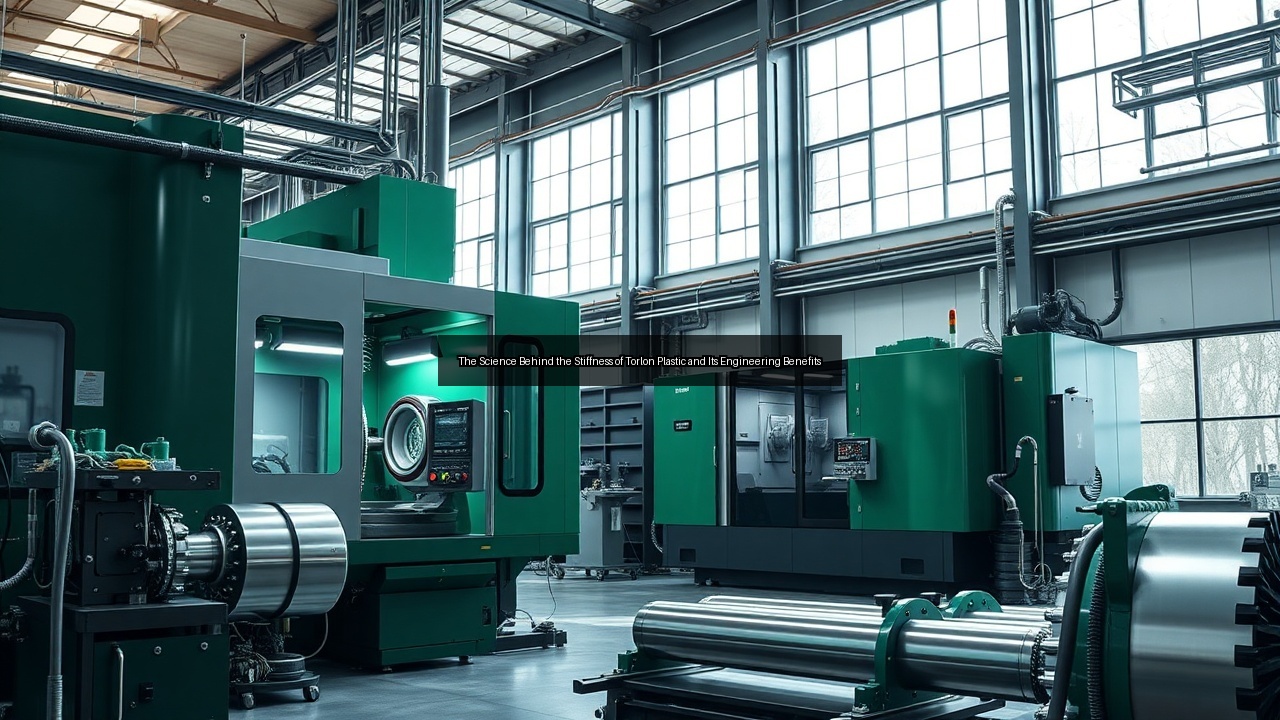
Machining Torlon plastic requires specialized techniques to harness its unique properties effectively. CNC machining stands out as a preferred method due to its precision and ability to create intricate designs. The process allows for tight tolerances, ensuring that the final components meet exact specifications. Similarly, injection molding techniques enable the efficient production of complex shapes, making Torlon suitable for mass production. These methods not only enhance the material’s versatility but also ensure that components retain their mechanical integrity throughout the manufacturing process, providing reliable solutions for various engineering challenges.
Torlon in Semiconductor and Electrical Insulation Applications
Torlon plastic finds extensive use in the semiconductor industry and electrical insulation applications. Its excellent electrical insulating properties make it an ideal choice for components that require protection from electrical interference and thermal fluctuations. Torlon’s resistance to chemical degradation further enhances its suitability for these applications, ensuring longevity and reliability. As technology continues to advance, the demand for high-performance materials like Torlon in semiconductor manufacturing and electrical insulation continues to grow, positioning it as a critical material in modern engineering solutions.
Durability in Bearings and Pipe Manufacturing
Durability is a cornerstone of Torlon plastic's appeal, especially in bearings and pipe manufacturing. Torlon's high strength and stiffness make it an excellent choice for bearings that undergo constant friction and stress. Its low wear characteristics translate to longer service life, reducing maintenance costs over time. In pipe manufacturing, Torlon’s chemical resistance ensures that it can handle various fluids without degrading, making it suitable for industrial applications. These properties not only enhance operational efficiency but also contribute to the overall safety and reliability of systems utilizing Torlon components.
Advantages of Using Torlon Plastic in Industrial Settings
High Strength Characteristics of Torlon Plastics
Torlon plastic boasts remarkable high strength characteristics that make it a standout choice in industrial engineering grade torlon plastics settings. Its mechanical strength allows it to withstand substantial forces without failing, making it suitable for applications where durability is crucial. This high strength translates to fewer component failures, which can lead to increased productivity and reduced downtime in manufacturing processes. For industries requiring robust materials, Torlon presents a reliable solution that combines strength with light weight, offering significant advantages over traditional metals and less robust plastics.
Chemical Resistance: A Key Benefit for Industrial Use
Chemical resistance remains one of Torlon’s key benefits for industrial applications. Its ability to withstand exposure to aggressive chemicals without significant degradation ensures that components made from Torlon maintain their integrity over time. This characteristic is particularly beneficial in industries like pharmaceuticals and chemicals, where materials often encounter harsh substances. By using Torlon, engineers can design systems with confidence, knowing that the components will perform reliably in corrosive environments, ultimately extending the lifespan of machinery and reducing the need for frequent replacements.
Comparative Cost-Effectiveness of Using Torlon vs. Thermosets
When evaluating cost-effectiveness, Torlon plastic often proves to be more advantageous than traditional thermosets. While thermosets may offer some benefits, they typically involve longer curing times and more complex processing methods. Torlon, as a thermoplastic, can be processed more efficiently through methods like injection molding and CNC machining, resulting in lower production costs. Furthermore, its durability and strength reduce the frequency of replacements, offering long-term savings. Industries seeking to optimize their material costs while maintaining high performance find Torlon to be an excellent high strength torlon plastics investment in engineering solutions.
See Also
- The Role of Torlon Plastic in Modern Bearing Design and Functionality
- How to Leverage Torlon Plastic in Advanced Pipe Manufacturing Techniques
- Unlocking the Power of Torlon Plastic for High-Performance Engineering Applications
- Exploring the Unmatched Strength of Torlon Plastic in High-Performance Applications