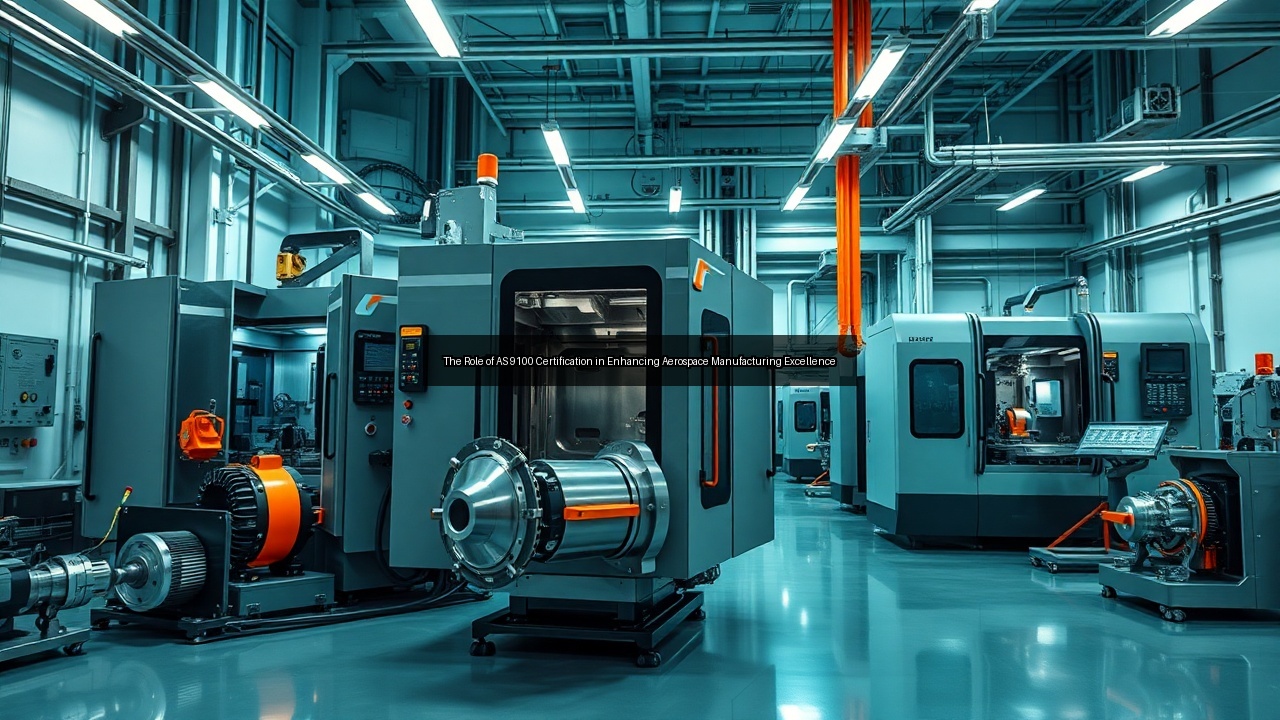
The Role of AS 9100 Certification in Enhancing Aerospace Manufacturing Excellence
Understanding AS 9100 Certification in Aerospace Manufacturing
Overview of AS 9100 Certification
AS 9100 certification establishes a rigorous quality management framework tailored specifically for aerospace manufacturing. Companies pursue this standard to align their processes with international expectations for safety and reliability. The certification integrates ISO 9001 principles with additional aerospace requirements, covering everything from design controls to final inspection. Manufacturers that achieve AS 9100 demonstrate consistent performance across complex production environments. This credential opens doors to contracts with major players in commercial aircraft and helicopter programs. It signals that an organization maintains documented procedures for every stage of aerospace machining services for aerospace. Teams use the standard to track performance metrics and drive continuous improvement. Certification bodies conduct thorough audits that verify compliance in real production settings. As a result, certified facilities gain credibility when bidding on high-stakes aerospace parts.
Importance of AS 9100 in Aerospace Quality Management
AS 9100 elevates aerospace quality management by demanding risk-based thinking at every level. Organizations embed the standard into daily operations to reduce defects and improve traceability. This focus proves essential when producing components that must withstand extreme flight conditions. Quality management under AS 9100 requires leadership commitment and clear accountability across departments. Teams document processes for material handling, machining, and assembly to prevent costly errors. The standard also emphasizes customer-specific requirements that often exceed basic regulatory thresholds. Aerospace manufacturers rely on these controls to protect both personnel and equipment during operation. Certification helps companies manage the complexities of global supply chain interactions without compromising standards. Regular internal audits reinforce discipline and keep processes aligned with evolving industry demands.
Key Requirements of AS 9100
Key requirements of AS 9100 center on configuration management, product safety, and counterfeit part prevention. Companies must implement robust change control procedures that document every revision to aerospace designs. The standard also mandates detailed risk assessments for new materials and manufacturing methods. Suppliers undergo evaluation and ongoing monitoring to ensure they meet the same stringent criteria. Personnel training records become critical evidence during certification audits. Measurement systems, including CMM verification, must demonstrate accuracy and repeatability. Organizations maintain records that trace each batch of machined components back to raw material sources. These requirements create a closed-loop system that catches issues before they reach the customer. Compliance demands disciplined execution from engineering through final delivery.
Impact of AS 9100 on Aerospace Machining Services
Enhancing Precision in CNC Machining for Aerospace
AS 9100 drives precision in CNC machining for aerospace by requiring validated programs and controlled environments. Machinists follow documented setups that maintain consistent tool paths across production runs. The standard pushes facilities to calibrate equipment regularly and monitor spindle performance. Aerospace CNC machining benefits from these controls because even minor deviations can affect engine performance or structural integrity. Teams validate first-article parts against customer drawings before scaling production. This discipline reduces scrap rates and accelerates delivery schedules for complex aerospace parts. Certified shops integrate in-process inspections that catch dimensional drift early. The result is reliable output that meets the tight specifications demanded by aviation programs.
Maintaining Tolerances in Aerospace Manufacturing
Maintaining tolerances in aerospace manufacturing requires disciplined process controls that AS 9100 formalizes. Engineers specify tolerances down to microns for critical features on turbine blades and structural brackets. Machining centers use temperature-controlled environments to prevent thermal expansion from affecting accuracy. Operators document every adjustment they make during setup and production. CMM reports provide objective data that confirms parts fall within acceptable limits. When tolerances tighten further on next-generation aircraft, certified processes adapt without sacrificing quality. Suppliers track tool wear and replace cutters before they drift outside specification. This proactive approach protects flight safety and reduces rework costs across the entire production cycle.
Quality Control Measures in AS 9100 Certified Machining
Quality control measures in AS 9100 certified machining include layered inspection protocols and statistical process control. Facilities perform incoming material verification, in-process checks, and final audits on every lot. Operators record data from CMMs and surface finish instruments to demonstrate capability. Nonconforming parts trigger immediate containment actions and root-cause analysis. The standard requires corrective action plans that address both immediate issues and systemic weaknesses. Aerospace machining services for aerospace gain strength from these controls because customers demand zero-defect performance. Training programs ensure every technician understands acceptance criteria before touching a machine. Documentation creates an audit trail that supports regulatory compliance and customer confidence.
Managing Risks in the Global Aerospace Supply Chain
Identifying Risks in Aerospace Manufacturing
Identifying risks in aerospace manufacturing begins with mapping every process step from raw material receipt to final shipment. Teams evaluate potential failure modes in machining, heat treatment, and coating application. Supply chain disruptions, equipment breakdowns, and personnel gaps all receive formal risk ratings. AS 9100 requires documented mitigation strategies that address both likelihood and severity. Manufacturers examine geopolitical factors that could affect titanium or Inconel availability. They also assess cyber threats to design data and production systems. Early identification allows proactive measures that protect delivery commitments to OEMs. This systematic approach prevents small issues from escalating into program delays.
Mitigating Risks through AS 9100 Compliance
Mitigating risks through AS 9100 compliance involves embedding contingency planning into daily operations. Certified companies maintain approved supplier lists and conduct regular performance reviews. They develop alternate sources for critical metals like aluminum and stainless steel. Process validation studies confirm that backup methods produce identical results. The standard also requires business continuity plans that address natural disasters or pandemics. Regular management reviews evaluate risk metrics and adjust strategies accordingly. Aerospace machining services for aerospace become more resilient when these controls operate consistently. Suppliers receive clear communication about expectations, reducing the chance of quality escapes.
Role of Suppliers in Ensuring Quality
Suppliers play a central role in ensuring quality throughout the aerospace supply chain. AS 9100 demands that prime contractors flow down requirements to every tier of the global supply chain. Suppliers must demonstrate their own process controls and traceability systems. Audits verify that lower-tier partners maintain the same commitment to precision and documentation. Strong supplier relationships enable rapid response when material specifications change. Certified organizations provide training and technical support to help suppliers meet expectations. This collaborative model strengthens the entire network and reduces the risk of nonconforming aerospace parts reaching final assembly.
Materials and Technologies in AS 9100 Machining
Utilization of Metals: Aluminum, Titanium, and Inconel
Utilization of metals such as aluminum, titanium, and Inconel demands specialized knowledge under AS 9100 guidelines. Aluminum offers an excellent strength-to-weight ratio for fuselage structures and interior components. Titanium provides superior corrosion resistance for landing gear and engine mounts. Inconel withstands extreme temperatures in turbine sections and exhaust systems. Machinists select appropriate cutting tools and speeds for each material to avoid work hardening or tool failure. Certified processes include material certification review and lot traceability from mill to finished part. These practices ensure that aerospace cnc machining delivers components that perform reliably in service.
CNC Machining Techniques for Aerospace Components
CNC machining techniques for aerospace components emphasize multi-axis capabilities and adaptive tool paths. Five-axis machines produce complex contours on structural brackets and engine casings in single setups. Programmers optimize feeds and speeds to balance productivity with surface integrity. AS 9100 requires validation of these techniques through first-article inspections and capability studies. Coolant management and chip evacuation receive equal attention to prevent surface damage. Aerospace CNC machining service providers document every parameter change to maintain process stability. The combination of advanced equipment and disciplined procedures yields parts that meet both dimensional and metallurgical requirements.
Innovations in Aerospace Coatings and Treatments
Innovations in aerospace coatings and treatments enhance durability and performance of machined parts. Thermal barrier coatings protect turbine blades from extreme heat while maintaining tight tolerances. Hard coatings reduce wear on landing gear pins and actuator rods. AS 9100 certified facilities validate each new treatment through extensive testing before production release. Surface preparation techniques, including shot peening and anodizing, receive controlled process parameters. These innovations extend component life and reduce maintenance intervals for commercial aircraft and helicopters. Manufacturers integrate coating operations into the overall quality system to ensure consistent results across batches.
Leadership and Ingenuity in Aerospace Manufacturing Excellence
The Role of OEMs in AS 9100 Certification
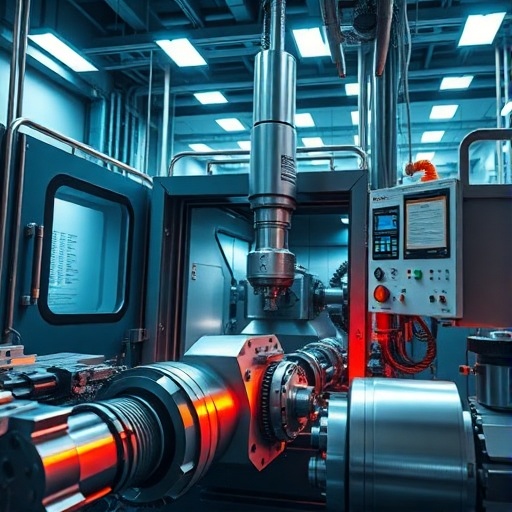
The role of OEMs in AS 9100 certification extends beyond requiring the standard from suppliers. Original equipment manufacturers provide detailed technical packages and acceptance criteria that shape process development. They participate in process reviews and first-article approvals that confirm capability. OEM leadership drives industry-wide adoption of best practices that elevate overall aerospace manufacturing performance. Certified suppliers benefit from clearer communication and reduced ambiguity in requirements. This partnership approach accelerates innovation while maintaining rigorous quality standards across the supply base.
Outsourced vs In-house Manufacturing: A Strategic Approach
Outsourced versus in-house manufacturing requires strategic evaluation under AS 9100 principles. Companies assess core competencies, capacity, and risk exposure when deciding which operations to keep internal. Outsourcing aerospace machining services for aerospace allows access to specialized equipment and expertise without heavy capital investment. In-house operations provide tighter control over proprietary designs and rapid iteration. AS 9100 compliance ensures that both models maintain equivalent quality management discipline. Strategic decisions balance cost, lead time, and intellectual property considerations while protecting flight safety.
Navigating ITAR Regulations in Aerospace Machining
Navigating ITAR regulations in aerospace machining demands strict access controls and documentation practices. Facilities handling defense-related components implement visitor logs, data encryption, and employee screening. AS 9100 integrates these requirements into the broader quality management system. Certified organizations train teams on export compliance and maintain records that demonstrate adherence. Proper navigation of ITAR protects national security interests while enabling legitimate commercial aircraft programs. Leadership ensures that ingenuity in process improvement never compromises regulatory obligations.
See Also
- From Aluminum to Inconel Exploring Materials in Aerospace Machining Services
- Unlocking Precision in Aerospace with AS 9100 Certified Machining Services
- Navigating the Global Supply Chain for High-Quality Aerospace CNC Machining
- Mitigating Risks in Aerospace Projects through Quality Control in Machining